What Makes Oahu a World-Class Fishing Destination
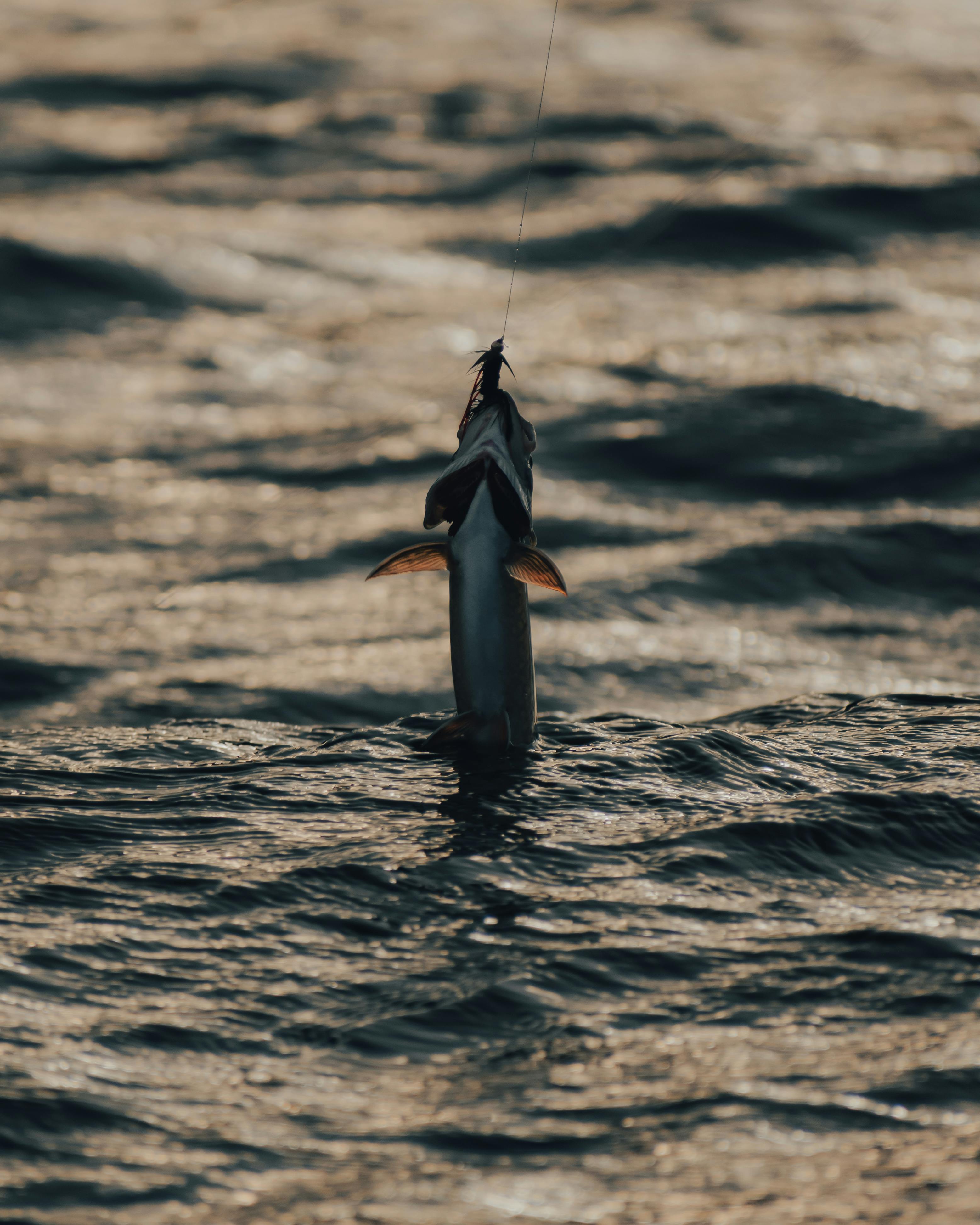
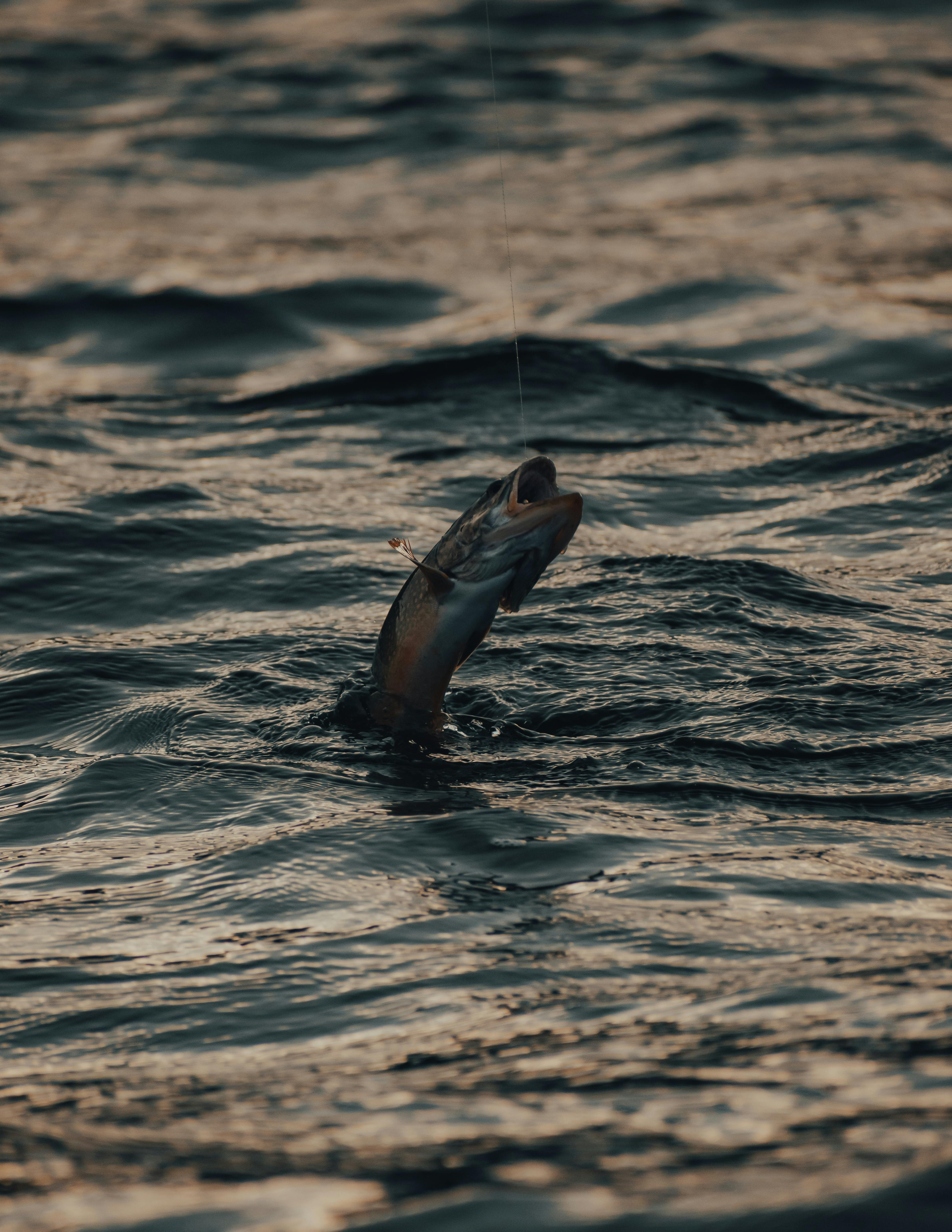
Ask any experienced offshore angler where to fish in the Pacific, and Oahu comes up fast. There's a reason for that. The island sits at the convergence of warm equatorial currents and deeper, nutrient-rich upwellings. This creates a food chain that sustains enormous populations of pelagic fish species right at the surface.
Furthermore, Oahu's geography is unusual. The volcanic shelf drops dramatically — you cross into 1,000 feet of water within a mile of most harbors. As a result, monsters like Blue Marlin, Yellowfin Tuna, and Wahoo essentially swim in the island's front yard. Half-day charters routinely encounter species that take all day to reach on the mainland.
There's also variety here that's hard to match. You can go from trolling for 400-pound Marlin in the morning to wading flat teal water after Bonefish in the afternoon — both on the same island. Additionally, freshwater options at Lake Wilson give families with younger anglers a gentler entry point into Hawaii fishing culture.
Understanding Oahu's Four Fishing Harbors
Kewalo Basin is Honolulu's main charter hub. It sits minutes from Waikiki, making it the most convenient option for visitors. Boats push south and east into some of the most productive pelagic water off Oahu's coast. The fleet here is large, competitive, and experienced. Tournament-class vessels operate regularly, and the captains know the FAD locations cold.
Haleiwa Harbor on the legendary North Shore is a completely different vibe. It's quieter, more local, and deeply tied to Hawaii's fishing heritage. Summer is peak season here — the North Shore swells die down, giving boats clean water for long offshore runs. The Penguin Banks seamount, about 20 miles west, is one of the most prolific big-game spots in Hawaii and a Haleiwa staple.
Waianae Small Boat Harbor sits on the leeward side, sheltered from trade winds by the Waianae Mountain Range. Even on rough days, Waianae typically offers fishable conditions. Consequently, it's a strong pick for families or anyone with seasickness concerns. The tuna grounds here are close and productive.
Ko Olina Marina serves the western resort corridor. It's more polished than the other harbors, catering to guests from nearby luxury resorts. Despite the upscale feel, the fishing is legitimate — and Ko Olina is closest to where the world-record Blue Marlin was landed near the Ko'Olina coastline.
How Oahu Fishing Charters Work
Most charters run on one of two models: shared (also called sportfishing boats) or private. Shared charters put multiple parties on one vessel, splitting the cost. They're ideal for solo travelers or small groups who want deep-sea action at a more accessible price point. Private charters let you book the whole boat — your schedule, your targets, your experience.
Half-day trips typically run four to six hours. Full-day charters go eight to ten hours, pushing further offshore for heavier game. On Oahu specifically, half-day charters can realistically target the same species as longer trips elsewhere — because the productive water is so close to shore.
Crews provide all rods, reels, lures, bait, ice, and fish cleaning. You bring sunscreen, a hat, sunglasses, comfortable clothes, closed-toe shoes, and motion sickness medication if you need it. For longer trips, pack extra food and water. Most captains ask that you respect their catch-and-release policies for Marlin — it's a conservation standard across the Hawaiian charter industry.
Licensing Requirements for Oahu Fishing
Hawaii updated its fishing license requirements in 2024. Non-residents now need a saltwater fishing license whether fishing from shore or aboard a charter boat. Previously, only freshwater fishing required a license. The change matters, so plan ahead and buy your license online before your trip to avoid any issues.
Beyond licensing, be aware of seasonal closures. The Waikiki-Diamond Head shoreline, for example, is only open to fishing in even-numbered years. The Hawaii Marine Laboratory Refuge and He'eia Kea Wharf have their own specific regulations. Additionally, some reef areas have conservation protections. Check with the Hawaii DLNR before casting anywhere new.
Charter boats typically handle licensing on the water for their passengers — confirm this when booking. Shore fishing and freshwater fishing require you to handle your own licensing.
Oahu Fishing Year-Round: Month by Month
January–March: Winter brings Bigeye Tuna into their prime. Striped Marlin and Shortbill Spearfish also appear in strong numbers. The Billfish bite intensifies in February, and Ahi action runs consistently. Mahi Mahi begin showing up as spring approaches. Shore fishing remains productive year-round in these months.
April–June: Rains taper off and conditions improve. Ono (Wahoo) fishing picks up significantly. Bonefish are active on the flats. The reef bite strengthens with Trevally, Snapper, and Jobfish all actively feeding. This is also when Mahi Mahi action really heats up as surface temperatures rise.
July–September: Peak season. Blue Marlin numbers are at their highest from May through September — this is why the Hawaiian International Billfish Tournament takes place in August. Ahi remain strong, Ono are biting, and surface conditions off the North Shore are at their calmest. It's the best window for big-game charters overall.
October–December: Mahi strengthen again in fall. Ahi numbers taper somewhat but remain fishable. Striped Marlin begin returning for the winter cycle. Bottom fishing for Snapper and Grouper is excellent as reef fish are active and well-fed through the warmer months.